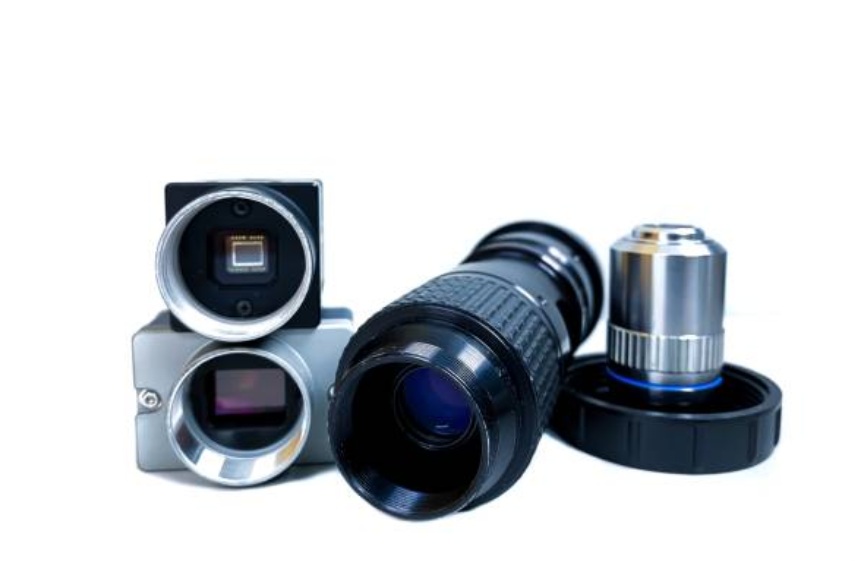
In the world of industrial imaging, GigE cameras have become increasingly important. These cameras, which use the GigE interface, offer excellent performance and are ideal for applications where high speed and reliability are essential. One example of a leading solution in this category is the VA Imaging GigE camera, known for its advanced technology and versatility. In this article, we discuss the main advantages of GigE cameras and how they contribute to efficiency in industrial applications.
Speed and Bandwidth
One of the biggest advantages of GigE cameras is the high speed at which they can transfer images. The GigE standard allows data transfer up to 1 Gbps, meaning even large image formats can be transmitted quickly. This is crucial in industrial applications such as quality control, where real-time image processing is essential. The high bandwidth enables manufacturers to use multiple cameras in parallel, promoting flexible production line setups.
Flexibility and Scalability
GigE cameras are highly flexible and can be easily integrated into existing systems. This makes them perfect for companies looking to optimize production processes without major investments in new infrastructure. The ability to connect multiple cameras to a single network provides the scalability businesses need. This is especially important for companies expecting growth and wanting to expand their imaging capabilities without making complex changes.
Cost-Effectiveness
The cost of GigE cameras is generally lower compared to other high-end camera solutions. This makes them an attractive option for both small and large businesses. The ability to share infrastructure such as switches and network cables further reduces the total cost of ownership. This helps companies manage their budgets effectively while still benefiting from high-quality imaging solutions.
Reliability and Maintenance
GigE cameras are designed for industrial environments and offer a high level of reliability. They are resistant to dust, moisture, and other environmental factors commonly found in factory settings. Additionally, maintaining GigE cameras is relatively simple, minimizing system downtime. Companies can rely on the consistency of their cameras without frequent maintenance or replacements.
Applications Across Various Sectors
GigE cameras are used in a variety of sectors, from the food industry to the automotive sector. The versatility of these cameras allows companies to tailor their imaging processes to their specific needs. A machine vision supplier from the US often offers a wide range of GigE cameras that can be customized for different applications, including inspection, measurement, and monitoring.
The Future of Imaging
With continuous technological advancements in the industry, the future of GigE cameras is promising. Innovations such as improved image processing techniques and the integration of artificial intelligence promise further enhancements in performance and application possibilities. Companies that adapt to these changes can greatly benefit from the advantages offered by GigE cameras, both in terms of efficiency and quality.
Understanding the Power of GigE Cameras
The advantages of GigE cameras in industrial imaging are clear and impressive. From high speed and bandwidth to cost-effectiveness and reliability, these cameras provide a powerful solution for businesses looking to optimize their imaging processes. By staying up to date with technological developments, companies can strengthen their competitive position and maximize the return on their investment.